New Blog!

If you've enjoyed reading about my experiences in Tanzania here, check out the new blog I've started on Wordpress as of November, 2017. It's called "Back to Tanzania" and you can read it here. All new adventures in Tanzania from an older, wiser, more experienced expat.

Friday, February 4, 2011

Mud or Dust? And Other Pressing Questions

Tanzanians often ask, "Which is better? Mud or dust?" as a sort of light hearted conversation starter. This has its roots in the Tanzanian climate of two rainy seasons (the long rains or masika, and the short rains or vuli) and two dry seasons, or kiangazi, per year. We're just finishing with vuli now. (Click here to read what I said about the weather back during masika.)

In answer to the question...


Mud?


or dust?

Really, they're both bad. Neither is better. When we have dust, it coats everything inside the house within two days. Plus the chairs on the otherwise lovely front porch. And the car after only two or three trips out the road to my house. Also inside and outside, because the air conditioning's broken  so I'm always driving with the windows open. The dust is so pervasive that at times, it seems the whole population has a cough, and one doctor told me pneumonia is common in Arusha.

But when we have mud, it can be really difficult to drive the car the last half kilometer to the house, even in four-wheel-drive. One evening, K2 and I were eating Indian food at the Cinema Complex, a five-minute drive from the house. The skies burst and water poured down for a good 30 minutes. We finished eating and waited for the rain to let up a bit, then headed home. When we reached the last section of road leading to Nyumba Sita, the car persistently slid toward the left ditch. The road is crowned high in the middle, so the Suzuki was tipping as well as sliding, or so it seemed to me in the passenger seat. After a few minutes K2 asked me to get out and walk. I asked where he was going to leave the car, thinking we'd come back for it in the morning. But no, he just wanted me to get out, because I was so nervous that I was making him nervous. So I got out, in my pretty beaded Zanzibar-style sandals and slipped around in the mud. After a few steps, I moved into the grass along the side of the road. Everybody always tells me there are snakes and I shouldn't walk there. But it was either the snakes or fall on my a** in the mud. Then, as I was picking my way through the grass, the Suzuki ground its way past with the left wheels firmly in the ditch and the engine racing. When he reached the gate, K2 somehow wrestled the car out of the ditch and made a right turn into the compound. My hero! (You can read more about our adventures on this road by clicking here and here.)


My poor sandals! But I threw them in the laundry the next day and the housegirl washed them in soap and water. The leather looks worn, but the beadwork stayed above the mud, so they're still wearable.


Our road is widely known as the worst in town because the soil is a very sticky clay. It rolls onto the tires like this, so you're just sliding around clay-to-clay, with no rubber meeting the road.


One morning after that happened, I thought maybe I could knock the mud off by driving back and forth real fast in the graveled parking area in front of my house. It didn't work like I expected, but I wonder if this is the same as studded snow tires?


Just to add insult to injury, the morning after sliding through the mud, we ran out of water again. So we hauled out the jerry cans and fetched some. After that much rain, shouldn't the city of Arusha have enough water to pipe some out to us? That pile of tires is there waiting to be sold, because I bought new tires, hoping for better traction. Does this picture make me look like white trash? Or mzungu koko? Koko being the Swahili word for describing a stray dog, or a white person who's run out of money and is stranded in Africa and is not looking too well cared for.


Thunderhead building over Nyumba Sita.


Come on...rain!

Give us something for the water system!


 Nope...nothing! I heard a bit of thunder, then the cloud broke up and sailed on by without a drop of rain. Oh well, at least it'll be easy to drive into town on the dry road...

I estimate it's been at least six weeks since we've had city-supplied water at the house. So I guess the "rolling water outages" have rolled to a stop right here at Njiro. The jerry cans are really cumbersome, and I hate them. Although this is the perspective of a relatively rich foreigner. Lots of people in Arusha rely on jerry cans most of the year. One of my former students told me that their house never has water. Every day, they hire a man with a wooden wheel barrow to haul their jerry cans several blocks through town and fill them with water. We've been relying on the "Maji Safi" crew, a tank truck that comes to our compound and fills the outside water tanks. Each fill lasts about three weeks. (You can read more about our water system and the water supply in Arusha here and here.) 

Maji Safi to the rescue! The first couple of times, we had to get their number from our neighbor, Hosannah, and all the other neighbors were jealous. Now our askari has them in "contacts" on his cell phone, and puts in a call as soon as anyone runs dry. They were here three times this week.

They back up in the center alley right to the water tanks...

...feed a hose from the truck tank to the house tank, and flip on a pump. They're balancing the bottom rung of the ladder on top of the wall, but at least there's a guy holding it steady...


A bit of water for the truck, too, and we're finished.

Arusha gets their water from Mt. Meru. I don't know whether it's surface water or well water, or both. In any case, they must rely on seasonal recharge from the short rains and the long rains. Some parts of town have better water supply than others. I have no idea where the Maji Safi company gets their water. I thought the short rains were pretty much finished, but then it rained hard yesterday. Now we're expecting dry season until April, when the long rains should start. I fear this means no water to Njiro until April! But for me, because I can afford to buy 5,000 liters of water at once, it's just an inconvenience. Which I will try to keep firmly in mind when the water runs out again, probably about a week from today!


Sunday, January 30, 2011

Well, I'll Be Jiggered!

Reader and frequent commenter Joanie Dodie commented on my recent post about a weekend at Mkadini Beach  that "nothing bad happened." She spoke too soon. And let me warn you--if you are squeamish about insect invaders of the human body, stop reading now and close your browser immediately. Think "Aliens" with Sigourney Weaver, but on a much smaller scale.

Two days after I got home from the beach, a white pea-sized blob appeared on the side of my big toe. Canned pea, not fresh, because it was flattened a bit. Hmmm, it looked like it could be a wart. But it appeared so quickly and warts start tiny and grow slowly over weeks. Plus, it was a bit softer than a wart, and bleeding a little bit. And there was a strange black spot right in the center.

Then I thought, maybe it's a spider bite. And it's infected. Yeah, that's it. I could wait a few days and it would clear up if I kept it clean.

Two weeks later, it was still there and looked exactly the same. Memories wriggled into my mind--memories of coworkers who came home from Costa Rica with insect eggs buried under their skin that hatched two weeks later.


Sorry about the picture. My feet aren't pretty at the best of times, which this was not.

Meanwhile, I was reading this memoir by a young American woman who lived with the Maasai for a year. (Here's my review from the Goodreads website.)
-----------------------------------------------------------------------

My Maasai LifeMy Maasai Life by Robin Wiszowaty

My rating: 3 of 5 stars


The author's experience as an American university student living for a year with a traditional Maasai family in a remote village in Kenya was really interesting and she presents lots of information and stories clearly. But her writing is nothing special. Competent enough to get the point across, but nothing imaginative or original. The book even contains several grammar mistakes and incomplete sentences. But overall, worth reading if you're interested in knowing more about the Maasai.

View all my reviews
------------------------------------------------------------------------
Halfway through, she describes a white blob appearing on her foot. She followed the same line of reasoning that I'd just been through, starting with wart. And ending with her Maasai host telling her, "That's a jigger. We have to cut it out."

The next day, my travel companions from the beach trip, Cynthia and Shanette, were in town and we met for lunch. Lema, Cynthia's Tanzanian husband, was there, too.  At lunch, I asked Shanette if she knew of any sea creatures that caused this white bump. When we were at the beach two weeks ago, she was very knowledgeable about all kinds of sea creatures, so I thought she might know. Since she supervises a medical lab, she is totally unfazed by grossness, so she said, "Can I see it?" So I took my shoe off right at the table. At least it was outdoor seating in a casual setting. Shanette didn't know exactly what it was, but thought some organism had for sure burrowed into my toe.

Then Lema said, "Can I see it?," and came around the table for a look. "That's a jigger," he said. "You have to cut it out." Just like in the book! He told me it's caused by an insect that has laid eggs under the skin, and that if I didn't get it cut out of my toe, it would start shedding worms. And that it looked like it was pretty far along and getting close to the shedding worms stage. Gahh! He also said that if left untreated, the victim can lose a toe. It turns out to be a sand flea and is common at the beach, where I spent the whole day in flip flops in the sand. If you want to know more about the sand flea and don't mind disgusting pictures, go ahead and click here. Shanette offered, a little too enthusiastically, to take care of it for me. At least she has medical training, and it would save me from another trip to the hospital.

But we didn't have time to take care of it that day, and got home late. I slept restlessly with visions of worms gestating in my toe and wriggling around my bed. But things are always brighter in the morning, and I woke up with my toe still intact. Shanette was in the guest room, so soon after feeding her a quick breakfast, I dragged her out to the supermarket to collect our surgical supplies.

Razor blades, sewing needles, and disinfectant. Really, what more do you ever need?

We set up on my front porch, because if worms were going to come spilling out, I didn't want them inside the house. Shanette was really excited at this point, kind of like a kid with a new toy. At Mkadini Beach, when she was in full marine biologist mode, I wondered whether to call her a science geek or Miss Caribbean. Now I know it's definitely science geek.


 Doesn't Shanette look inappropriately happy about this?


Although I have to admit this jigger sand flea does have an interesting life cycle and reproductive strategy. It had encased hundreds of eggs in a capsule built just under my skin. Shanette cut expertly around the edges of the capsule with a disinfected razor blade and was able to remove it all in one piece. I didn't feel anything.


And the science geek in me overcame the squeamish patient enough that rather than being terrified (as a reasonable person should have been), I was actually kind of interested in the biology of it all. That's when you know the surgeon has a good bedside manner! Inside the capsule were many, many eggs, and some miniscule worms. If they were bigger, we could have seen them waving their head ends around and heard them howling at us, like in "Aliens." Lucky they were so tiny.

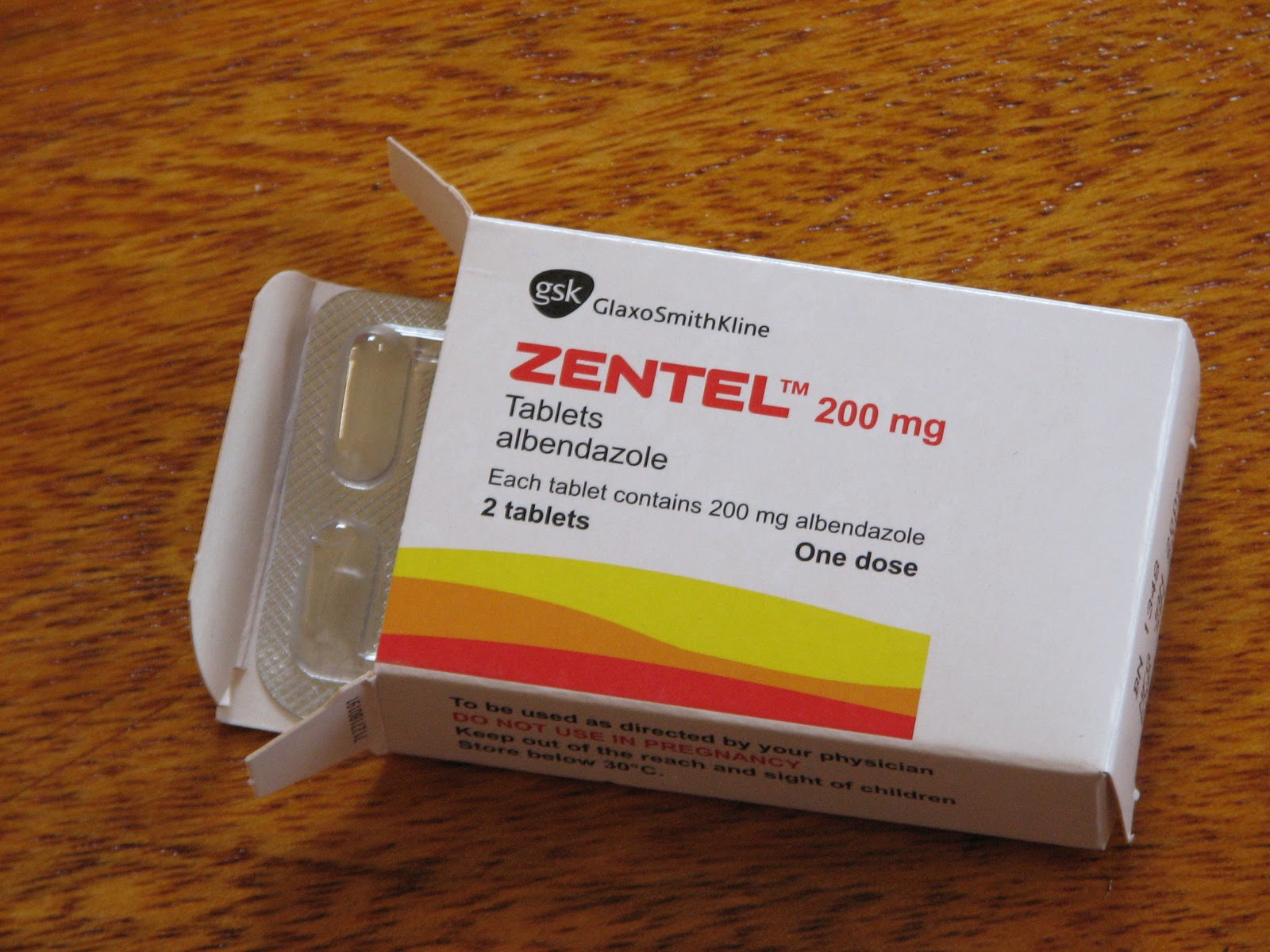
One remaining point of concern--there was a tunnel boring straight down into my toe. We wondered if a worm or the adult flea had gone deeper, but Shanette did not want to dig around with the razor blade to be sure. I was ok with that. She asked if I'd taken my worm medicine yet this year. I said, "Huh?" She told me everybody who lives here should take albendazole twice a year to kill whatever worms have accumulated. Although it's intended for the digestive system, it would kill any worm anywhere, including anybody left in my toe.


This whole operation was so painless that I was able to put on my hiking boots and go for a six kilometer walk around Lake Duluti with Shanette a couple of hours later. When she asked me at the trailhead if my toe hurt, I said, "I can't feel a thing." Then I noticed her look of concern and added, "Not like nerve damage or paralysis. Just like there's no pain. It feels normal." We saw a couple of monitor lizards and a couple of fish eagles. I'll tell you all about it in my next post.


My toe is almost healed already. And Shanette really needs to go to medical school. She's a natural!